

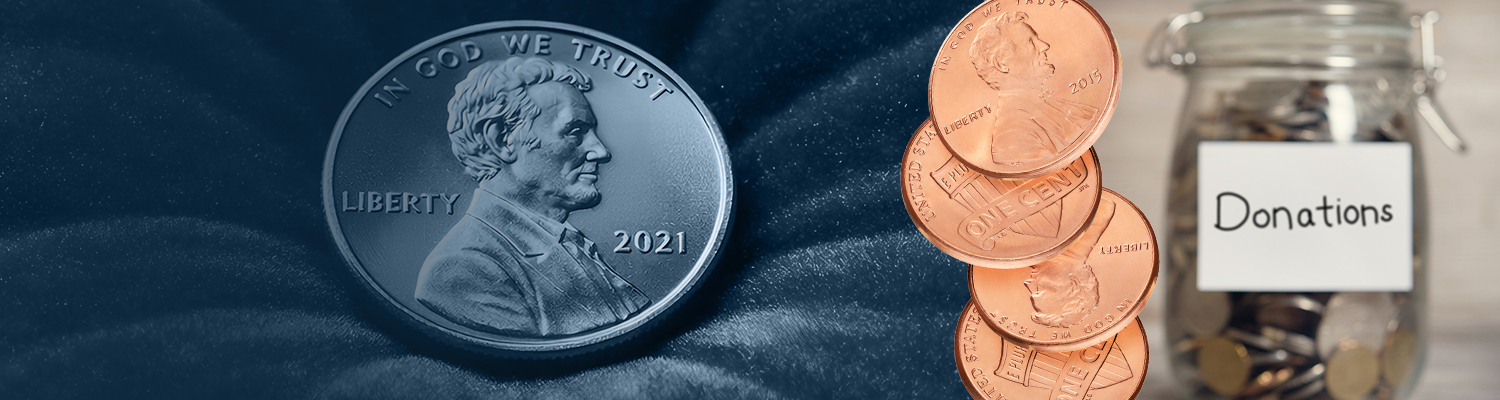
April 1st is not only April Fools’ Day, but it’s also National One Cent Day. Will this be one of the last ones we celebrate? Word on the street is the penny is officially heading into retirement. We’re taking a look back at the history of the one-cent piece and what a “pennies-less” world actually looks like.
The History:
The Original “Penny” Name: The official name is “one-cent piece,” but it was named after the British penny.
The first U.S. penny was issued in 1793 by the U.S. Mint and was made of pure copper.
Due to WWII, 1943 pennies were made of steel, but a few bronze pennies were mistakenly made, now worth millions.
Since 1982, pennies are actually 97.5% zinc and only 2.5% copper.
The Cost:
Over the past 10 years, the total production cost of the penny has risen from 1.3 cents to 3.69 cents per penny. These production costs include materials, facilities, and overhead.
The Utility:
How often do we actually use them versus leaving them in a jar?
Read More about the Penny Production Cessation FAQs from the U.S. Department of Treasury.
What to expect?
New pennies may no longer be rolling off the press, but with over 114 billion already in circulation, they aren’t disappearing overnight. The Federal Reserve is committed to keeping current supplies moving, but the ‘lifespan’ of the penny now depends on us. To help our local small businesses and retailers adapt to a ‘penny-less’ future, we encourage you to dig out those coin jars! Spending your change or bringing it into a branch for deposit helps keep the economy balanced and ensures a fair transition for everyone at the checkout counter.
How should businesses respond?
While pennies remain in circulation, retailers are encouraged to continue accepting them for all cash transactions. However, as the physical supply transitions, many businesses will adopt a Standard Rounding Rule to the nearest 5 cents for cash payments.
It’s important to note that this “rounding adjustment” applies only to physical currency. Every digital transaction—from swiping your debit card to your monthly mortgage payment—remains accurate to the single cent. At BankFirst, we ensure your digital “pennies” are always accounted for, providing the precision and clarity you expect.
How do consumers save?
As we transition into this new era, your choice of payment can actually work in your favor! To keep your bottom line balanced, keep both cash and your BankFirst debit card handy.
-
The Cash Advantage: If your total ends in 1, 2, 6, or 7 cents, paying with cash gives you a “round-down” discount!
-
The Digital Guarantee: For all other totals, stick to your card or mobile wallet. This ensures you pay the exact price to the penny, avoiding any “round-up” adjustments.
Over time, these small choices add up—especially at large retailers. Being “penny-wise” has never been easier!
